
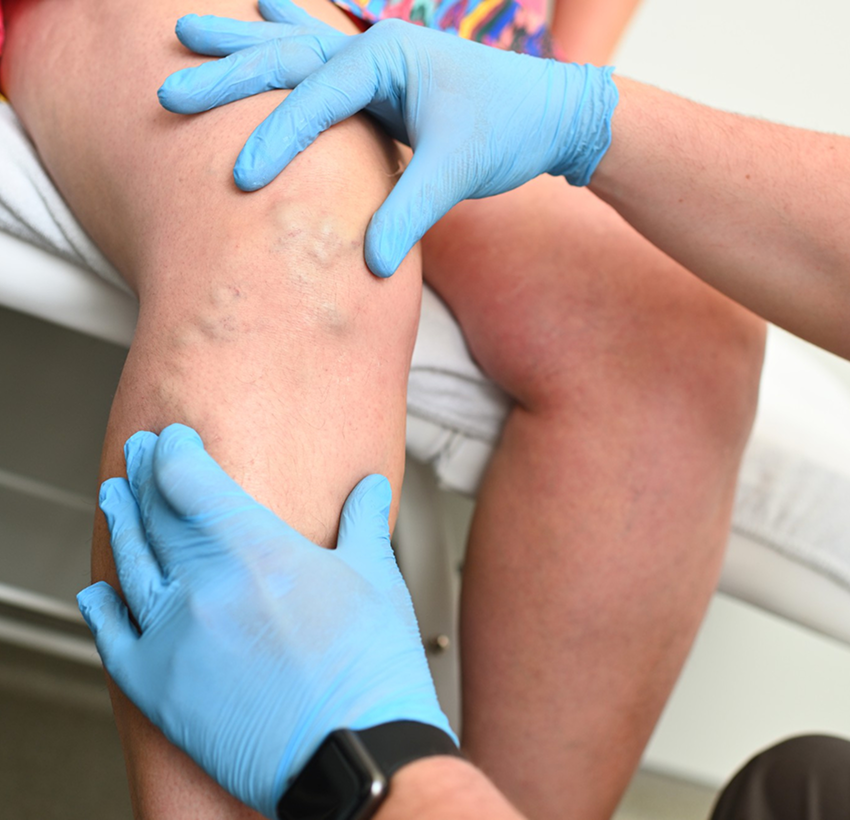
Vascular Trauma
Vascular trauma refers to an injury to the arteries or veins caused by accidents, penetrating injuries, fractures, or medical procedures. These injuries can lead to severe internal or external bleeding, reduced blood flow to the affected limb, and damage to surrounding muscles, nerves, and tissues. If not treated promptly, vascular trauma can result in permanent disability, limb loss, or even become life-threatening.
Early diagnosis and immediate intervention are critical to restore blood circulation, control bleeding, and preserve the function of the affected limb. At our Vascular Surgery Center, we provide 24/7 emergency vascular care using advanced diagnostic imaging, minimally invasive endovascular procedures, and complex vascular reconstruction techniques. Our experienced vascular surgeons are dedicated to delivering timely, life-saving treatment with the highest standards of patient care.
Causes of Vascular Trauma
Vascular trauma refers to an injury involving arteries or veins that can lead to severe bleeding, reduced blood flow, or damage to surrounding tissues. It is a medical emergency that requires immediate diagnosis and treatment to prevent limb loss or life-threatening complications.
The most common causes of vascular trauma include:
- Road Traffic Accidents: High-impact collisions involving cars, motorcycles, or bicycles can cause serious injuries to major blood vessels.
- Penetrating Injuries: Knife wounds, gunshot injuries, or sharp object injuries may directly damage arteries or veins.
- Industrial and Workplace Accidents: Heavy machinery, construction equipment, and workplace injuries can result in significant vascular damage.
- Sports Injuries: High-contact sports or severe trauma during athletic activities may injure blood vessels.
- Falls and Crush Injuries: Falls from height or heavy objects compressing the limbs can damage blood vessels and surrounding tissues.
- Fractures and Joint Dislocations: Broken bones or dislocated joints may tear or compress nearby arteries and veins.
- Iatrogenic Injuries: Rarely, blood vessels may be injured during medical procedures such as angiography, catheterization, or orthopedic surgery.
- Animal Bites or Deep Lacerations: Severe bites or cuts can injure superficial or deep blood vessels, requiring urgent surgical attention.
Early recognition of vascular trauma is essential to restore blood circulation, control bleeding, and preserve the affected limb.
Treatment Options
Our vascular surgery team provides emergency and advanced treatment for all types of vascular injuries using modern surgical and endovascular techniques.
Emergency Assessment
Immediate evaluation includes clinical examination, Doppler ultrasound, CT Angiography, or conventional angiography to identify the location and severity of the vascular injury.
Bleeding Control
Rapid control of bleeding is the first priority to stabilize the patient and prevent excessive blood loss.
Vascular Repair
Damaged arteries or veins are repaired using microsurgical techniques to restore normal blood flow and preserve limb function.
Bypass Grafting
If the injured blood vessel cannot be repaired directly, a bypass graft using the patient’s own vein or a synthetic graft is performed to restore circulation.
Endovascular Treatment
Selected patients may benefit from minimally invasive procedures such as covered stent placement or embolization, reducing the need for open surgery and promoting faster recovery.
Fasciotomy
In cases of severe swelling or compartment syndrome, fasciotomy may be performed to relieve pressure and protect muscles and nerves.
Limb Salvage Procedures
Our priority is to preserve the affected limb whenever possible through timely revascularization and comprehensive wound management.
Post-Treatment Care
Patients receive close monitoring, medication management, physiotherapy, and regular follow-up to ensure optimal recovery and prevent complications.
Why Choose Us?
- Experienced Vascular and Endovascular Surgeons
- 24/7 Emergency Vascular Trauma Care
- Advanced CT Angiography and Vascular Imaging
- Expertise in Open and Minimally Invasive Procedures
- Rapid Diagnosis and Immediate Treatment
- Dedicated Limb Salvage Program
- Multidisciplinary Team for Complex Trauma Cases
- State-of-the-Art Operation Theatres
- Personalized Treatment and Rehabilitation Plans
- Focus on Faster Recovery and Better Long-Term Outcomes
Our commitment is to provide timely, evidence-based vascular trauma care with the goal of saving lives, preserving limbs, and helping patients return to their normal activities as quickly as possible.