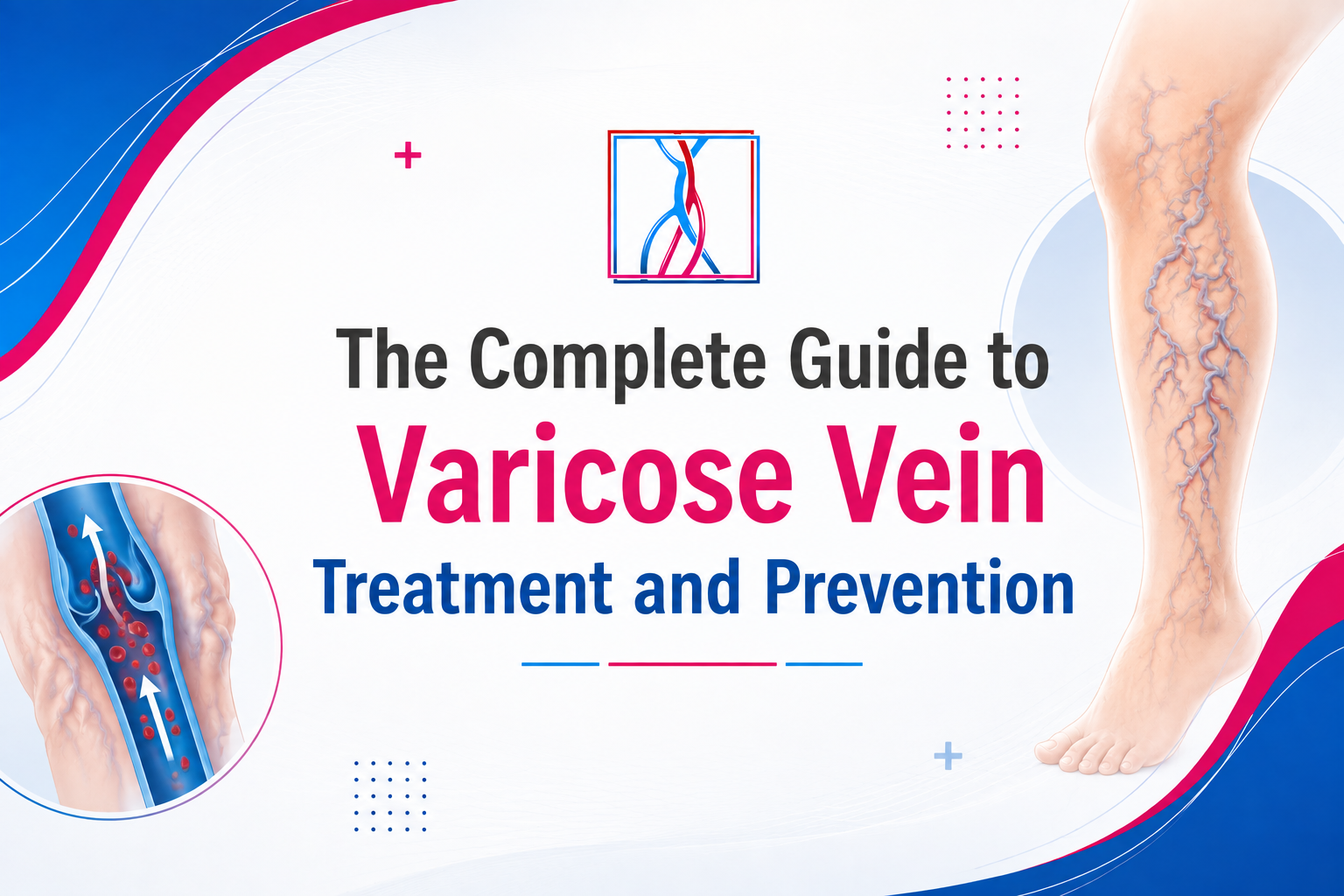
Varicose veins are more than just a cosmetic concern. They are a common vascular condition that affects millions of people worldwide, often causing discomfort, pain, and reduced quality of life. These enlarged, twisted veins usually appear on the legs due to increased pressure in the veins and weakened vein valves. While many people ignore the early signs, timely diagnosis and treatment can prevent complications and improve overall vascular health.
Fortunately, advancements in medical technology have made varicose vein treatment safer, faster, and more effective than ever before. Whether you are experiencing mild symptoms or advanced vein disease, understanding the available treatment options and preventive measures is the first step toward healthier legs. If you are considering Varicose Vein Treatment in Vadodara, consulting an experienced vascular specialist can help you receive the right diagnosis and personalized care.
What Are Varicose Veins?
Varicose veins are enlarged, swollen veins that develop when the valves inside the veins become weak or damaged. Normally, these valves ensure that blood flows toward the heart. When they fail to function properly, blood begins to pool inside the veins, causing them to enlarge and become visible beneath the skin.
Although varicose veins can develop anywhere in the body, they are most commonly found in the legs because standing and walking increase pressure on the lower limb veins.
What Causes Varicose Veins?
Several factors contribute to the development of varicose veins. Some of the most common causes include:
Aging
As we age, vein walls and valves naturally weaken, making it easier for blood to collect in the veins.
Family History
Genetics play a significant role. If your parents or close relatives have varicose veins, your risk is considerably higher.
Prolonged Standing or Sitting
Jobs that require standing or sitting for long periods can increase pressure in the leg veins and impair blood circulation.
Pregnancy
Hormonal changes and increased blood volume during pregnancy place additional strain on the veins, making varicose veins more common among pregnant women.
Obesity
Excess body weight puts additional pressure on the veins, making it more difficult for blood to flow efficiently.
Lack of Physical Activity
A sedentary lifestyle reduces muscle activity in the legs, which is essential for supporting healthy blood circulation.
Common Symptoms of Varicose Veins
The symptoms vary from person to person. While some individuals only notice visible veins, others experience significant discomfort.
Common symptoms include:
- Enlarged, twisted blue or purple veins
- Aching or heavy legs
- Swelling around the ankles
- Burning or throbbing sensation
- Muscle cramps, especially at night
- Itching around affected veins
- Leg fatigue after prolonged standing
- Skin discoloration near the ankles
- Slow-healing sores in severe cases
Ignoring these symptoms may allow the condition to worsen over time.
How Are Varicose Veins Diagnosed?
A vascular specialist begins with a detailed medical history and physical examination. To confirm the diagnosis and assess vein function, additional tests may include:
Duplex Ultrasound
This non-invasive imaging test evaluates blood flow and identifies damaged vein valves or blood clots.
Doppler Ultrasound
A Doppler ultrasound measures blood circulation and helps determine the severity of venous insufficiency.
Early diagnosis allows for more effective treatment and reduces the risk of complications.
Modern Varicose Vein Treatment Options
Treatment depends on the severity of the condition, symptoms, and overall health of the patient. Today, minimally invasive procedures have largely replaced traditional surgery in many cases.
Lifestyle Changes
For mild cases, doctors often recommend:
- Regular walking or exercise
- Maintaining a healthy weight
- Elevating the legs
- Wearing compression stockings
- Avoiding prolonged standing or sitting
These measures improve circulation and reduce symptoms.
Compression Therapy
Compression stockings apply gentle pressure to the legs, helping veins move blood more efficiently toward the heart. They are commonly recommended for symptom relief and post-treatment recovery.
Endovenous Laser Treatment (EVLT)
EVLT is one of the most effective minimally invasive procedures for treating varicose veins. A laser fiber is inserted into the affected vein, where heat seals the vein shut. Blood naturally reroutes through healthy veins.
Benefits include:
- Minimal pain
- Small incision
- Faster recovery
- Excellent cosmetic results
Radiofrequency Ablation (RFA)
RFA uses radiofrequency energy instead of laser heat to close damaged veins. The procedure is highly effective and allows patients to return to daily activities quickly.
Sclerotherapy
This treatment involves injecting a special solution into smaller varicose or spider veins, causing them to collapse and gradually disappear.
Surgical Treatment
In advanced cases involving large or severely damaged veins, surgery may still be recommended. Modern surgical techniques are more refined and offer improved recovery compared to traditional approaches.
If you are exploring advanced Varicose Vein Treatment in Vadodara, a vascular specialist can recommend the most suitable treatment based on your condition and lifestyle.
What Happens If Varicose Veins Are Left Untreated?
Many people delay treatment because they believe varicose veins are only a cosmetic issue. However, untreated varicose veins may lead to complications such as:
- Chronic venous insufficiency
- Skin pigmentation
- Venous ulcers
- Blood clots
- Bleeding from damaged veins
- Persistent swelling and pain
Seeking timely medical care helps prevent these complications and improves long-term vascular health.
How to Prevent Varicose Veins
While not all cases can be prevented, healthy habits significantly reduce the risk of developing vein disease.
Stay Physically Active
Walking, cycling, and swimming improve circulation and strengthen leg muscles.
Maintain a Healthy Weight
Reducing excess weight lowers pressure on the leg veins.
Avoid Standing for Long Periods
If your work requires prolonged standing, take regular breaks to walk or stretch.
Elevate Your Legs
Raising your legs above heart level for a few minutes each day encourages healthy blood flow.
Eat a Balanced Diet
A diet rich in fruits, vegetables, whole grains, and fiber supports vascular health while reducing constipation, which can contribute to increased vein pressure.
Wear Comfortable Clothing
Avoid tight clothing around the waist or legs that may restrict blood circulation.
Stay Hydrated
Proper hydration supports healthy blood flow and overall circulation.
When Should You Consult a Vascular Specialist?
You should seek medical advice if you experience:
- Persistent leg pain
- Swelling that worsens throughout the day
- Visible bulging veins
- Skin discoloration
- Leg ulcers
- Bleeding veins
- Sudden increase in swelling or pain
Early intervention often leads to better treatment outcomes and faster recovery.
If your symptoms interfere with your daily activities, scheduling an appointment for Varicose Vein Treatment in Vadodara can help you receive expert evaluation and effective, minimally invasive care.
Conclusion
Varicose veins are a common but treatable vascular condition. While they may begin as a cosmetic concern, untreated varicose veins can lead to pain, swelling, skin changes, and more serious complications. Understanding the causes, recognizing the symptoms, and seeking timely medical attention are essential for protecting your vascular health.
Modern treatments such as Endovenous Laser Treatment, Radiofrequency Ablation, and Sclerotherapy offer safe, effective, and minimally invasive solutions with faster recovery times. Along with appropriate treatment, adopting healthy lifestyle habits can help prevent future vein problems and improve circulation. If you are considering professional Varicose Vein Treatment in Vadodara, consulting an experienced vascular specialist can help you choose the most suitable treatment plan for long-term relief and healthier legs.